Why traditional care can fall short
What can keep recovery stuck
Overworking the wrong systems. After a concussion, some systems are already doing extra work. Your nervous system is on high alert, your neck muscles are guarding, and your brain is using more energy to process things that used to be easy. When we add more demand on top, whether it’s more screen time, harder workouts or a packed schedule, the systems that are already stretched thin are the ones asked to do the most.
Fighting the protective mechanisms. Tight muscles, shallow breathing and sensitivity to light and noise can feel like the problem, but they’re often your body’s way of keeping you safe. Pushing through them, stretching harder or forcing a muscle to let go can make the body protect even more. Easing the need for protection works better than overriding it.
Constant overloading. Many people do too much on a good day and pay for it the next. That cycle of boom and bust keeps the nervous system on edge, so symptoms never fully settle. Smaller, steadier doses of activity often build tolerance more reliably than big efforts followed by crashes.
Antagonizing the symptoms. Repeatedly triggering a symptom, such as exercising into a headache, staying in a bright store until the dizziness hits, or working through brain fog, can teach your nervous system to stay reactive. Learning where your limits are, and staying just under them, gives your body room to calm down.
By three months or more, a mix of these patterns is common: lingering headaches, fatigue, brain fog, dizziness and a body that feels tense or on edge. Seeing the whole picture, rather than one symptom at a time, is often what opens up the next step.
Working with your body, not through it. This is the shift I help people make. Instead of pushing through symptoms, we use them as information. We find what your body is protecting, ease the demand on it with gentle hands-on care, and rebuild tolerance step by step. Progress often feels slower at first, but it tends to hold.
A whole-body approach to concussion recovery
- Athletic Therapy to assess and treat the neck and spine, improve movement, and build tolerance gradually and safely.
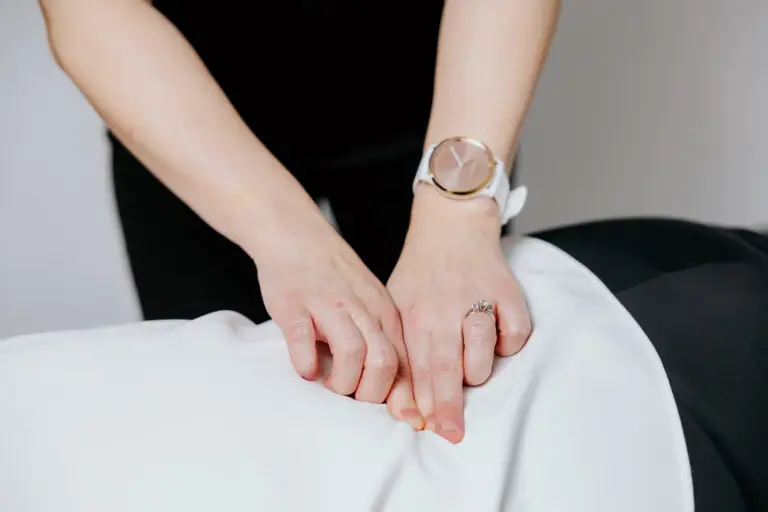
- Manual Osteopathy to ease restrictions in the neck, jaw, ribs and surrounding tissues, so your body can move freely.
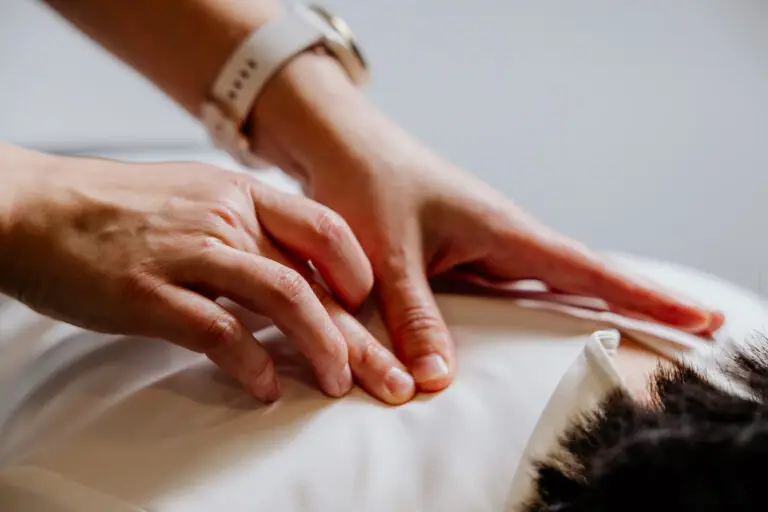
- Bowen Therapy, a gentle, hands-on technique that many people find calming for the nervous system and helpful for releasing tension.
Young Athletes and Teens
When to Get Medical Care First
Need More Support?
You’re also welcome to join the free online concussion support community for tips and encouragement from others going through recovery: Join Today!