
When Concussion Symptoms Won’t Go Away: What to Do After Traditional Treatment Fails

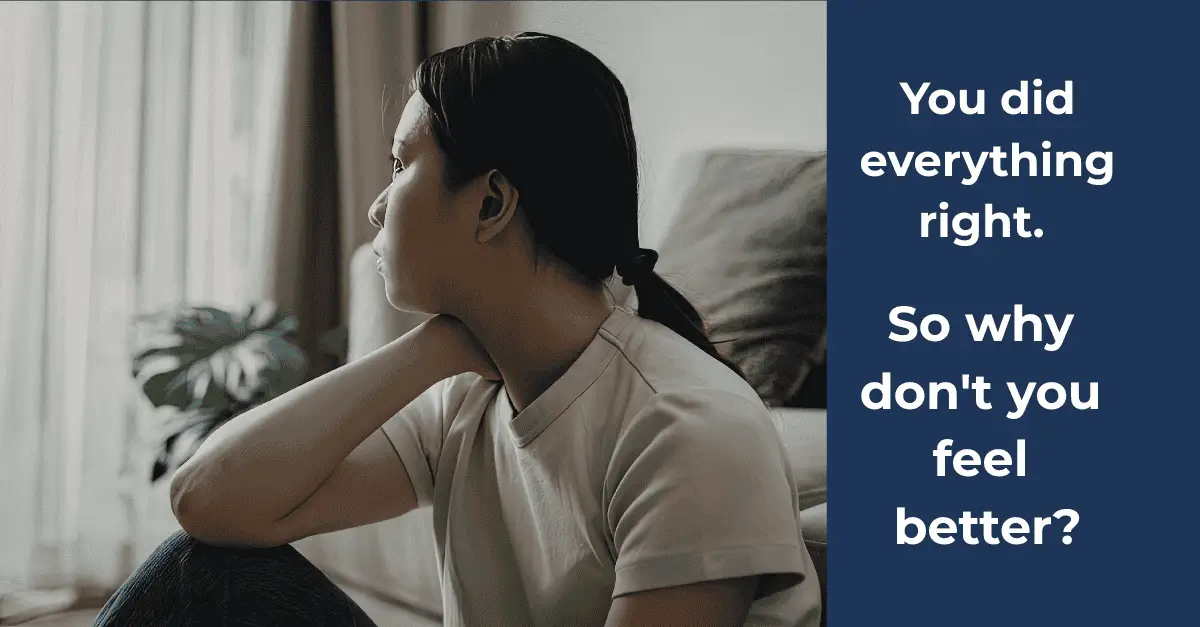
Woman sitting by a window with her chin resting on her arm. "You did everything right. so why don't you feel better?
Still dealing with concussion symptoms after rest and standard care? Learn why they can linger and what hands-on options may help. Port Coquitlam.
Share the Post:
Weeks have passed, or maybe months. You rested, you followed the advice you were given, and you were patient. But the headaches, brain fog, sensitivity to light and noise, or neck pain are still there, and you’re starting to wonder what you’re missing.
If that sounds familiar, you’re not alone, and you’re not imagining it. Lingering concussion symptoms are common, and they don’t always settle with time and rest alone. It doesn’t mean you did something wrong. It often means your recovery needs a different kind of support.

Why traditional care can fall short

A concussion rarely affects just one thing. The force that shakes the brain often strains the neck, jaw and upper back too. Your nervous system can stay on high alert, your breathing and posture can change, and your body may start moving in guarded ways to protect itself. When these pieces are left unaddressed, symptoms can hang on even though the injury itself has had time to heal.

What can keep recovery stuck

In the first couple of weeks, your body is protecting an injured area. That’s normal. Recovery can stall when we keep working against that protection instead of with it.

Overworking the wrong systems. After a concussion, some systems are already doing extra work. Your nervous system is on high alert, your neck muscles are guarding, and your brain is using more energy to process things that used to be easy. When we add more demand on top, whether it’s more screen time, harder workouts or a packed schedule, the systems that are already stretched thin are the ones asked to do the most.

Fighting the protective mechanisms. Tight muscles, shallow breathing and sensitivity to light and noise can feel like the problem, but they’re often your body’s way of keeping you safe. Pushing through them, stretching harder or forcing a muscle to let go can make the body protect even more. Easing the need for protection works better than overriding it.

Constant overloading. Many people do too much on a good day and pay for it the next. That cycle of boom and bust keeps the nervous system on edge, so symptoms never fully settle. Smaller, steadier doses of activity often build tolerance more reliably than big efforts followed by crashes.

Antagonizing the symptoms. Repeatedly triggering a symptom, such as exercising into a headache, staying in a bright store until the dizziness hits, or working through brain fog, can teach your nervous system to stay reactive. Learning where your limits are, and staying just under them, gives your body room to calm down.

By three months or more, a mix of these patterns is common: lingering headaches, fatigue, brain fog, dizziness and a body that feels tense or on edge. Seeing the whole picture, rather than one symptom at a time, is often what opens up the next step.

Working with your body, not through it. This is the shift I help people make. Instead of pushing through symptoms, we use them as information. We find what your body is protecting, ease the demand on it with gentle hands-on care, and rebuild tolerance step by step. Progress often feels slower at first, but it tends to hold.

A whole-body approach to concussion recovery

My approach looks at how your nervous system, muscles, joints and fascia are working together, and what might be holding your recovery back. Depending on what I find, your care may include:
These are gentle, and treatment is adjusted to how your body responds on the day. Some people notice a change within the first few sessions, while longer-standing symptoms usually take more time. Everyone’s recovery looks different, and I’ll be honest with you about what we’re seeing along the way.

Young Athletes and Teens

Concussions don’t only happen in sport, and they don’t only affect adults. Teens and young adults can also be left with symptoms months or even years after an injury, and they’re often relieved to find there are more options. If your child’s symptoms haven’t settled, a whole-body assessment can be a good next step.

When to Get Medical Care First

If you have worsening headaches, repeated vomiting, confusion, seizures, weakness, or any sudden change in symptoms, seek medical care right away. Ongoing care works best alongside your doctor or concussion clinic, not in place of it.

Need More Support?

If you’re in Port Coquitlam, Burnaby, Coquitlam, New Westminster or the Tri-Cities, I’d love to help you find your next step. Call or book a free consultation to talk through your symptoms.

You’re also welcome to join the free online concussion support community for tips and encouragement from others going through recovery: Join Today!

Brynn Sitting Outside Smiling

Hi, I'm Brynn! Welcome.

I’m here to help you move, recover, and feel your best.

Check out these practical tips for pain relief, concussion recovery, and whole-body wellness from your local Port Coquitlam & Burnaby Athletic Therapist.

Keep Reading

More From the Blog

Manual Osteopathy Neck Treatment Port Coquitlam Brynn Bicknell

Why “Everything Looks Normal” Doesn’t Mean You’re Fine: An Osteopathic Perspective

Close-up of Practitioner hand's doing Bowen Therapy gently on a person's back.

Concussion Treatment in Port Coquitlam: How Bowen Therapy Supports Recovery.

Brynn Bicknell Bowen Therapy

What is Bowen Therapy?

looking for more personalized support?

Every body and every recovery is different.

Explore Brynn’s treatment options or book an appointment to find the support that fits your needs.